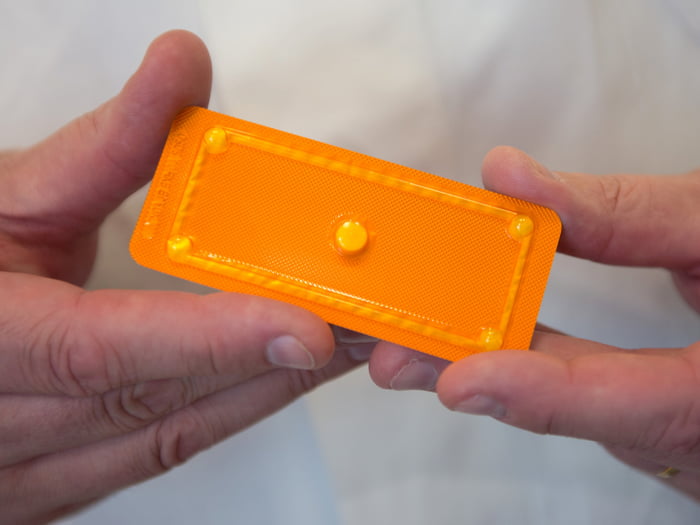
One type of emergency contraception is the morning-after pill (contraception). The morning after pill is used to prevent pregnancy by women whose method of contraception has failed or who have participated in an unprotected sexual role. The morning after pill is only supposed to be a backup; It shouldn’t be the primary method of contraception. The morning after pills contain Levonorgestrel (Plan B One-Step) and ulipristal acetate (Ella). Morning after pill cannot end a pregnancy that has already begun. They primarily work by delaying or preventing ovulation. Do not confuse the morning after pill with the abortion-inducing medication. The medication that induces abortion ends a confirmed pregnancy.
How It Functions
Because pregnancy doesn’t happen straight away after having sex, it is possible to prevent pregnancy a few days later. Timing is crucial. As it waits for an egg to ovulate, sperm can stay in your uterus for up to six days after sex.
When women ovulate, the sperm may reach their egg, resulting in conception. The morning after pills work by momentarily stopping your ovary’s release of an egg. It is comparable to emergency ovulation suppression.
The morning after pill’s ability to prevent pregnancy can vary based on your menstrual periods and how soon after unprotected sexual activity you take it. After your body has already started ovulating, taking a morning after pill won’t work.
Ella functions more closely to the period of fertilisation when compared to levonorgestrel morning after pills like Plan B. No matter where in your menstrual phase you are or whether you think you’re about to ovulate, it’s best to start taking contraceptive pills as soon as you can because the significant portion of women do not even know when they ovulate.
Side effects
The following are possible short-term adverse effects of the morning after pill:
– Drowsiness
– Sensitive breasts
– Headache
– Fatigue
– Diarrhoea or nausea
– Lower-back pain or cramping
– Increased bleeding throughout the period or between periods
What choices are there?
You can receive one or two emergency contraceptive pills depending on the type and dose. These include
Levonorgestrel Pill Levonorgestrel is a hormone that can be used as an immediate birth control solution. It can be used to prevent conception following unprotected sex. The “morning after pill” is another name for it.
Ella (ulipristal acetate) Emergency contraception with Ella can prevent pregnancy for up to five days following sex. It is more effective than other morning after pills. A component of ellaOne called ulipristal acetate prevents progesterone from working properly.
Myths About Morning After Pill
It works only on The Morning After
It’s a frequent misconception that the only time to use emergency contraception is within 24 hours of having intercourse. But that is untrue. Certain forms can be taken up to 5 days after having sex.
Unprotected sex should, of course, be followed as soon as possible by emergency contraception (or failed contraception). One tablet, Levonelle, cab be taken three days after engaging in unprotected intercourse, while EllaOne can be taken till five days afterwards. However, these medications are only useful if given prior to ovulation.
Although it’s advisable to try to take a pill as quickly as possible after unprotected intercourse, there are a number of reasons why it would not be possible to obtain emergency contraception right immediately. However, it’s much preferable to obtain emergency contraception later rather than never.
The Risks of Emergency Contraception
The emergency contraceptive pill manufacturers claim that several studies have not discovered any scientific proof that it would harm an unborn child or an ongoing pregnancy.
Additionally, the emergency birth control pill is only successful if used prior to the discovery of pregnancy. The emergency birth control pill will not function if you are already pregnant.
Emergency contraceptive pills primarily block the release of an egg from the ovary, but they can also inhibit fertilisation or prevent the implantation of an egg in the uterus.
Please be sure to speak with your healthcare practitioner if you have any queries regarding the emergency birth control pill or how to utilise it most successfully.
Emergency contraception works every time
This is rarely the case, regrettably. The sort of emergency contraception you use and how quickly after unprotected intercourse you are able to use it will determine how successful it is. Both varieties are quite successful if used during the first twelve to twenty-four hours of the sex. However, Levonelle loses much of its potency after more than 48 hours.
The efficacy of your emergency contraception may also be affected by certain medications you may be taking, such as over-the-counter St. John’s wort and prescriptions for heartburn and epilepsy.
Additionally, as emergency contraceptives prevent or postpone ovulation (the release of an egg), they are unlikely to be effective if used later in the cycle after ovulation has already taken place.
Your fertility may be impacted if you take it frequently
There is no proof that using emergency contraception will affect your fertility in the long run.
You can take emergency tablets as often as necessary, even more than once, throughout a menstrual cycle if necessary. However, taking another type of pill during the same cycle might not be possible. However, utilising other techniques frequently is more effective than taking emergency contraception.”
However, it’s not a wise idea to use emergency birth control methods as your primary method of child prevention. To learn more about your contraceptive options, consult your general practitioner or a nearby sexual health centre.
The morning after pill results in abortion
Only the union of viable sperm and an egg can result in pregnancy. The morning after pill prevents the hormone rush that releases the egg from happening, delaying ovulation long enough for any potential sperm to die. If ovulation is stopped, there will be no egg for the sperm to meet because sperm can survive in the reproductive canal for up to five days.
The morning after pill cannot prevent an already fertilised egg from implanting or impact a pregnancy that had already taken place if ovulation occurred immediately before you had unsafe sex or is presently occurring.
Read Also
- Where to Find Reliable Mental Health Support for Teens
 Have you noticed changes in your teen’s mood, sleep, or behavior that leave you worried? Growing up can bring stress from school, friends, family, and new demands. Some teens may struggle to share their feelings or ask for help, even when they need support. Finding the right mental health support for teens can help them… Read more: Where to Find Reliable Mental Health Support for Teens
 - Top Trends Shaping the Future of Mental Health CareMental health care is moving fast to meet daily human needs. People want direct care that fits modern life. Clinics respond by creating flexible options that make healing easier to reach. Providers look past rigid habits to give people solid care. From smart tools to body wellness, these changes help people find relief when life… Read more: Top Trends Shaping the Future of Mental Health Care
- Full-Arch Dental Tourism: Why UK Patients With Severe Bone Loss Are Looking AbroadDental implants have become one of the fastest-growing segments of private dentistry. Within that market, one patient group behaves very differently from the rest: people who have been told they do not have enough upper jawbone for conventional implants. For these patients, the choice is rarely between one clinic and another. It is between a… Read more: Full-Arch Dental Tourism: Why UK Patients With Severe Bone Loss Are Looking Abroad
- Levels of Mental Health Care and When to Seek SupportMental health care can range from occasional outpatient appointments to 24-hour hospital treatment. The appropriate level depends on safety, symptom severity, daily functioning, medical needs, available support, treatment history and personal preferences. A licensed clinician should assess these factors rather than relying on a symptom list alone. Need help now? In the United States, call… Read more: Levels of Mental Health Care and When to Seek Support
- How to Choose a Shilajit Brand Based on the ResearchIn a randomized trial published in the Journal of the International Society of Sports Nutrition in 2019, 63 active men took 250 mg of standardized shilajit, 500 mg, or a placebo every day for eight weeks, and the benefit for strength retention after a fatiguing workout appeared only at 500 mg. For anyone choosing a… Read more: How to Choose a Shilajit Brand Based on the Research
- How to Incorporate Relaxation into Your Busy ScheduleFinding balance when you have a packed daily agenda often feels out of reach. Between work duties, family obligations, and personal projects, personal rest usually gets pushed to the bottom of the list. Small, intentional shifts in daily habits can help restore calm without requiring hours of extra free time. Continue reading to discover everything… Read more: How to Incorporate Relaxation into Your Busy Schedule